
(HYBRID) ELECTRIC MELTING OF GLASS – INTRODUCTORY TRAINING
21 - 24 September 2026
14:00 - 17:30 CET
Online
Speed up your transition to lower-carbon melting with deep insight into electric heating technologies tailored to your plant.
Electric melting is a proven option for specialty glass and an emerging solution for decarbonizing larger-scale production. This course explains how electric systems operate, how to boost melting zones efficiently, and what’s needed to integrate them into your plant setup, from power input to electrodes and control.
Attend if you are interested in:
Power & Energy
-
How electricity flows from the source to the transformer to the electrode
-
Joule’s law, heat transfer, and efficiency fundamentals
-
Sustainability benefits of electrical boosting
-
System Design
-
Melting zone, barrier, throat, and feeder boosting strategies
-
Electrode types, holders, cooling, and placement (in/out of furnace)
-
Choosing systems suited to your glass type and process
What you take away:
- Understand the key advantages of electric melting and boosting
- Know what systems and decisions affect melting and boosting
- Be able to select appropriate equipment for your production goals
- Calculate relevant properties like resistivity and resistance
- Operate and troubleshoot electric systems more confidently
Level of seniority
This training is meant for junior professionals to skilled professionals seeking to deepen their knowledge.
Trainers
Sjoerd Stelwagen
Sjoerd Stelwagen studied Chemical Engineering at Eindhoven University of Technology. Directly after his study he started as a Technical Specialist at the Furnace department of Ardagh Glass in Dongen, The Netherlands, where he later became Batch and Furnace Manager. He then evolved as EHS manager for the Benelux plants. With more than 16 years of practical glass making experience, he joined Celsian in 2021 to work as a project manager and trainer.
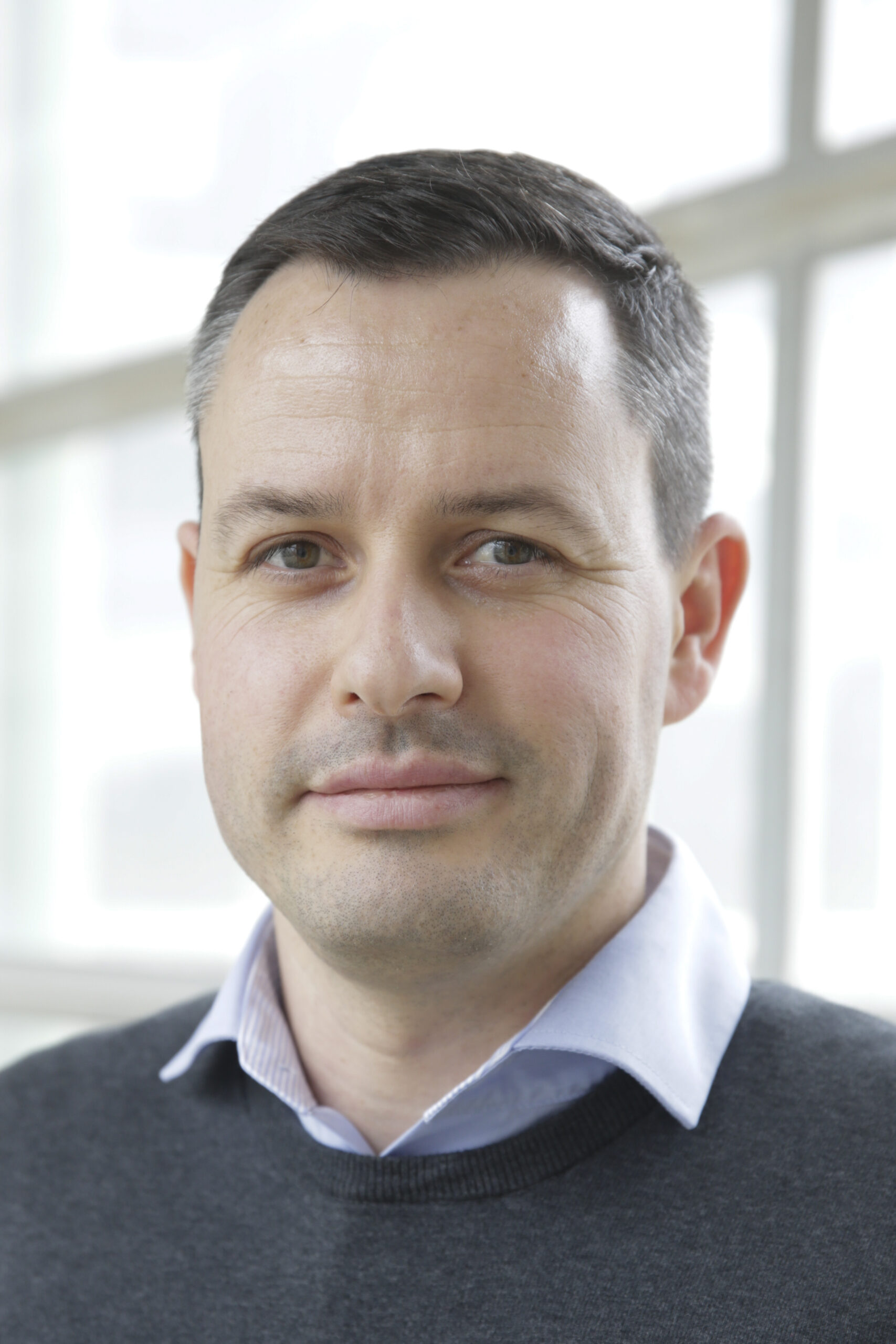
Christian Räbiger
Christian Räbiger studied process engineering at the Technical University of Freiberg, specializing in glass, ceramics, and building materials. He joined the technology department of Sorg for 8 years where he designed, modeled, and optimized multiple glass furnaces to improve the energy demand and production quality. He also offered troubleshooting and technical support. He then moved to Swarco for 4 years. His activities included planning furnace reconstructions and new furnaces, R&D, and project work. In 2023, he joined CelSian as technical director for the EU area.
Price
Training costs € 1800,- per participant.
Price excludes tax and duties.
The 6th participant from the same company can join for free.